
Is the issue asking the first question?
Or is it finishing the conversation
closer together?

From start to finish - strengthening connection as you go.
These are not hypotheticals. They are actual statements posted in a 44,000+ member Marriage Support Group on Facebook that I moderate:
- “Every time I talk about how I am feeling it is a problem.”
- “They say I need to watch my tone but I’m talking normally.”
- “I’m tired of going to bed crying every night.”
- “I don’t feel like I’m heard, validated or acknowledged in my viewpoints.”
- “We just go in circles. It’s killing our connection.”
- “They shut me down by saying what a stupid thing to ask”
- “Why can’t we ever just say what we mean?”
If any of that sounds familiar, you already know a single “conversation starter” isn’t going to change much.
Conversation starters have their place, but one question will not guarantee a conversation or rebuild connection when tension, hurt, or defensiveness are already present.
Rebuilding closeness requires more than a starting point.
It requires a Complete Conversation™.
Right Question Right Time
Conversation starters can provide a quality question. For example, “Is there a hurt I caused this week that I still need to repair?” That is a pretty helpful question, it's just poorly placed. That question belongs fourth or fifth in a sequence, after connection and safety have already been built in the conversation.
Here is the type of thing that happens often:
Something started bothering you mid-day. You think about it while driving. While working. While working out. You finally decide you are going to take the risk and say something. Later that night you are sitting together watching American Idol. A commercial break comes on. It feels like your only window. So you go for it.
“Why didn't you check in at all with me today, like not even a single text. How hard is that?”
Eye roll.
“I don’t know.”
“Can I just relax and watch my show?”
Now what?
You took the risk. You tried. The timing was off. The question was too big for the moment. And instead of closeness, you feel further away. Maybe even foolish for bringing it up. That is where hopelessness starts to grow.
The right question asked at the wrong time can still damage connection.
A Complete Conversation™ carries you to the harder question and drops it into the right moment.
Don't just start well, move through conversations so that they build the closeness you desire.
In a Trial With 40 Couples That Had Already Tried:
- Reading books on marriage. (86%)
- Tried going on more dates with their spouse. (85%)
- Sought advice or encouragement from a family member or friend. (79%)
- Received counseling for their marriage. (71% )
- Attended a marriage seminar/enrichment weekend. (71%)
100% said the 30 Marriage Conversations were more effective than anything listed above in helping their marriage.
Instantly Download the 75-page PDF
Communication Skills Caught Not Taught
Stay Curious or Drift Apart
Curiosity is a mark of a well-functioning brain. When stress, hurt, or defensiveness enter a conversation, curiosity is usually the first thing to leave. Questions turn into statements. Statements turn into criticism. Then someone shuts down. When curiosity leaves, connection follows. Do you want curiosity back in your conversations? A Complete Conversation maintains curiosity long enough for something meaningful to happen.
Staying On Topic
On your own, you might start on one topic, but five minutes later you are somewhere else entirely. A comment about the trash turns into last Christmas when you felt left out. A small irritation becomes a referendum on the entire marriage. Often this happens because there are deeper topics that feel too risky to bring up directly, so they leak out sideways. You end up arguing about something small while something big remains untouched. A Complete Conversation keeps one topic engaged long enough for it to actually be understood.
When Defensiveness Appears
You can begin open. You can even begin hopeful. But when the topic shifts from “the issue” to “the person,” defensiveness shows up. Then you attack back, withdraw, or go silent. The moment it feels personal, safety evaporates. Staying open through the hard part requires support. Complete Conversations are designed to carry you through that early portion where things usually go off the rails. This is where conversations either collapse or create closeness.
Breaking The Interrupt Cycle
Interrupting is a death spiral. One person talks - the other jumps in. The original thought never lands. No one feels heard. The skill is staying focused long enough for your spouse to get all their thoughts, feelings, and needs out. Then you reflect back what you heard and share from your side. When someone feels fully heard things shift: defensiveness lowers, openness returns, a relaxed atmosphere enters. This resource breaks the interruptive pattern by giving each of you space to answer the full series of questions before switching roles. Communication feels different. Slower. Safer. And that new pattern becomes a skill you carry into future conversations.
The First Ten
These thirty conversations are sequenced intentionally. The first ten warm you up. They focus on you. They build safety and connection.
The Next Twenty
The next twenty Complete Conversations move into the marriage itself. They address the good, the hard, and the things you have never quite known how to talk about. The progression matters. You are not just talking. You are building your brains capacity to stay engaged through conversations your marriage still needs.
This is not about exchanging information. It is about rebuilding connection through conversations that are designed to move somewhere. And as you move through them, you are developing skills that will serve the harder conversations still ahead.
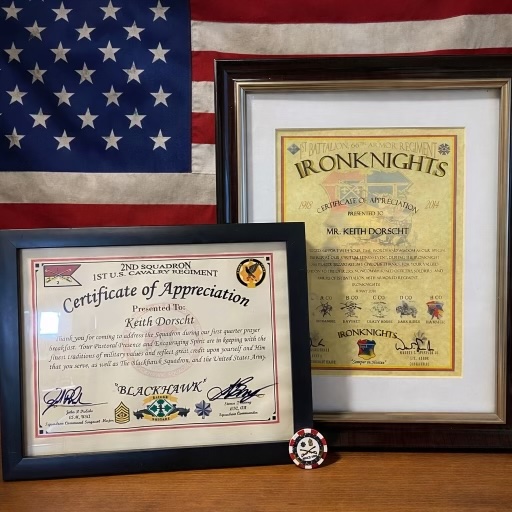
Where the Army Turned
It was with both honor and a heavy heart that I stood in front of 300 troops at Fort Carson speaking at an event planned to stop a crisis.
Five dependents had died by suicide in an 18-month period. The common thread was that none of the spouses were aware of how bad things had gotten. Leadership was looking for something practical that couples would actually use, not theories, workbooks, or courses.
They needed something simple yet powerful
Something that did not require a trip to a therapist.
Something that did not break the bank.
Something that could be used at home.
That morning I spoke, we cried, we laughed, we connected, we restored hope.
If this resource was brought in to help our troops and their families who face tremendous challenges, wouldn’t you think it can help yours?
Click to see the 30 topics covered in the 75-page PDF
Instantly downloadable